Rodent Control checklist before winter sets in
Wiki Article
Pests that transmit disease, damage wiring, and spoil inventory eventually reach every property. A steady plan for Pest Control keeps those problems from becoming emergencies and protects both health and budgets. Local operators who offer Pest Control services do more than spray; they inspect entry points, track activity, and set up barriers that work day after day Pest Control guide. Choosing the right Pest Control company starts with understanding what each method can and cannot handle. Some owners try traps or sprays on their own, yet gaps in coverage often let populations rebound within weeks. Professional crews combine monitoring data with targeted treatments, giving a measurable drop in sightings and complaints. A single missed gap can undo weeks of treatment, so the most effective programs combine exclusion work with consistent monitoring rather than relying on product alone. While extermination focuses mainly on killing active insects or rodents, pest Control covers inspection, exclusion, treatment, and ongoing monitoring. A full program reduces the conditions that allow fresh infestations to start, so the same pests do not return every season. Rodent Control calls for proofing entry points that are too small for most insects, plus larger bait stations placed along floor-level runways. Insect work often targets harborage above eye level or in wall voids, so the two services use different tools and inspection patterns even when performed during the same visit. The list starts with exterior gaps, then maps interior utilities, shared walls, and loading areas. It also records which party, landlord or tenant, is responsible for sealing each opening so disputes do not delay repairs when activity is found. While integrated programs that combine exclusion and bait achieve measurable declines in activity within 30 days, peer-reviewed field tests show ultrasonic units do not produce reliable results over an entire room. Most technicians therefore treat sound devices as supplements rather than replacements. Square footage, pest pressure, and the number of exterior entry points all affect price. Outdoor seating adds trash volume and standing water, so contracts regularly include extra service visits during warm months without raising the annual rate if the base program is by then in place. Ask for a written report that lists trap counts, bait consumption, and any recent gaps found. A drop from double-digit captures in week one to zero captures by week four, paired with photos of sealed entry points, gives clear evidence that the program is working.Step-by-step Rodent Control checklist
Practical Pest Control tips that stretch a budget.
Answers to top pest control queries
How is full pest management different from basic extermination
How does rodent control differ from insect treatment in shared buildings
What should a retail pest checklist cover for leased locations
How do technicians compare rodent services with ultrasonic devices
What factors drive Pest Control cost for a small business with seasonal outdoor seating
How can a manager verify that Rodent Control experts actually reduced activity on site
Surprising Speed of Rodent Population Growth Indoors
Breeding age arrives for rats and mice in roughly six weeks, after which dozens of offspring appear each year. Dozens of animals appear before anyone notices droppings behind the fridge when a single pair locates a warm wall void and a steady crumb trail. Early signs include faint scratching at night, nibbled cardboard, and a faint musky odor near baseboards.
Once established, Rodent Control becomes more involved than simply setting snap traps. Bait stations need to be placed along travel routes, sealed entry points must match the size of a pencil or smaller, and follow-up visits confirm that recent activity has stopped. Without that sequence, survivors simply shift to another hidden corner and start over.
Comparing DIY efforts to a Rodent Control guide
Retail bait boxes and glue boards can reduce visible numbers, yet they rarely reach the main nest. A Rodent Control guide from a licensed provider lists inspection zones, product rotation schedules, and proofing steps that close gaps the animals used to re-enter. The difference displays up in fewer callbacks and lower long-term expense.
How Mosquito Joe of Ann Arbor approaches Pest Control for modest business
Restaurants, clinics, and retail shops share tight schedules and strict health codes. Mosquito Joe of Ann Arbor begins with a map of every exterior opening, then installs door sweeps, vent covers, and exterior bait stations that stay out of customer view. Inside, low-impact gels and monitoring traps sit behind equipment so daily operations continue without disruption.
Monthly service reports track trap counts and any fresh activity, giving managers data they can show inspectors. The same reports also flag seasonal spikes, such as increased ant foraging in late summer, so treatments can be adjusted before complaints reach the front door.
Breaking down Pest Control cost and value
Quarterly contracts for a typical 2,000-square-foot building run between $300 and $450, depending on the pest pressure and building age. One-time intensive visits cost more upfront but may still be cheaper than replacing chewed wiring or discarding contaminated stock. Clear itemization on the invoice helps owners see exactly which zones receive attention each quarter.
Hidden costs appear when Rodent Control is postponed. Insurance adjusters have documented cases where a single roof rat colony caused $12,000 in electrical damage inside a strip-mall unit. Preventive programs rarely exceed that amount in a full year, which is why lenders increasingly ask for proof of service before finalizing commercial loans.
A reference used in this field is NPMA.
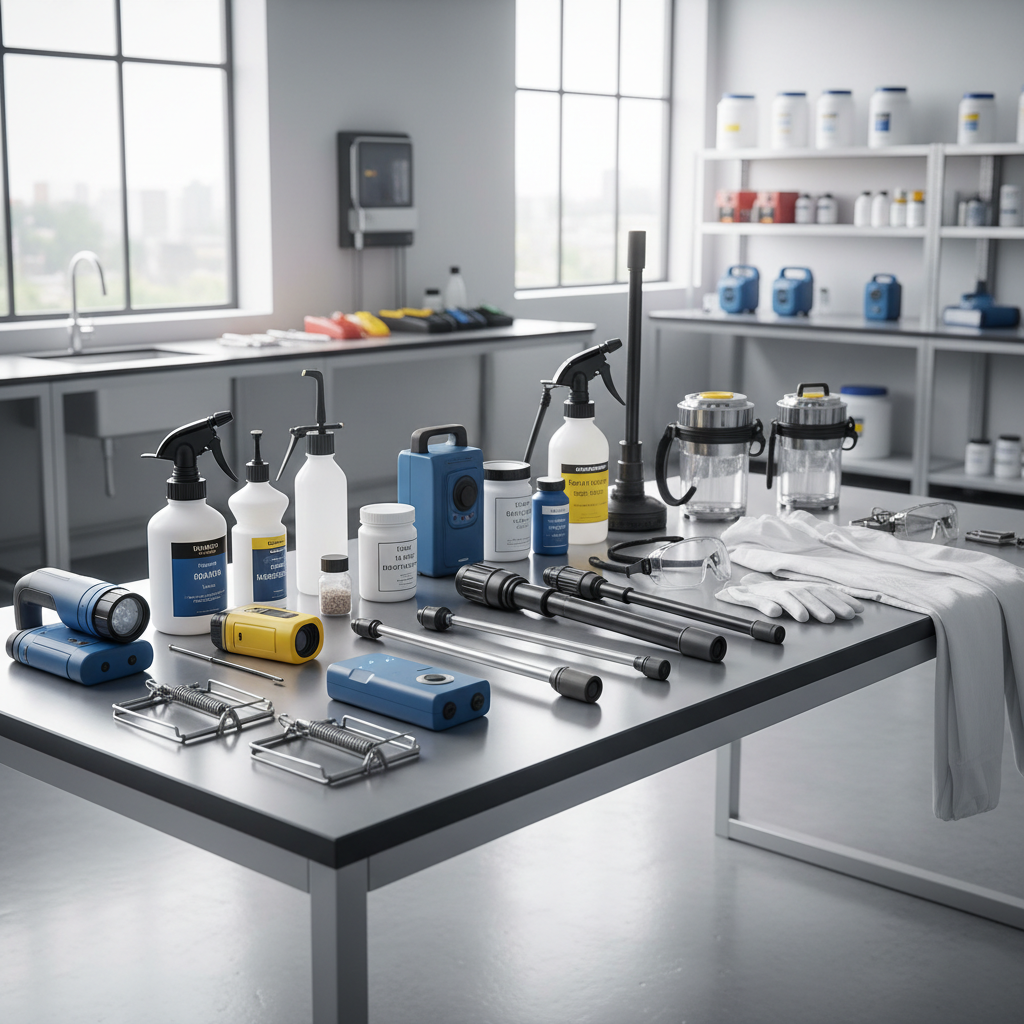 Pest ControlPest Control
Consistent inspection and timely repairs keep most pest problems from returning, and the same records that satisfy inspectors also help owners budget for the next quarter without surprises.
Businesses that view pest management as ordinary upkeep rather than emergency fixes experience fewer guest complaints, more consistent customer flow, and reduced overall costs across the building's lifetime.